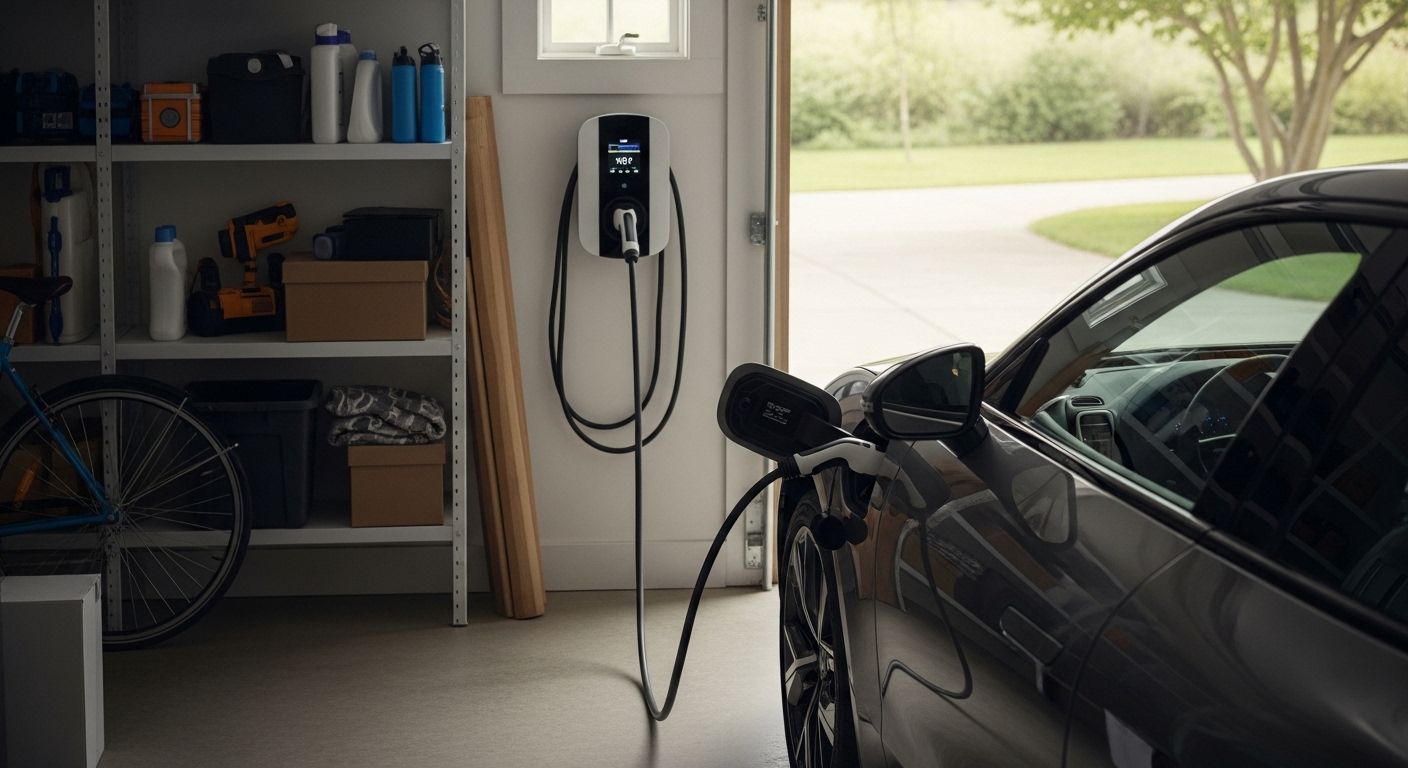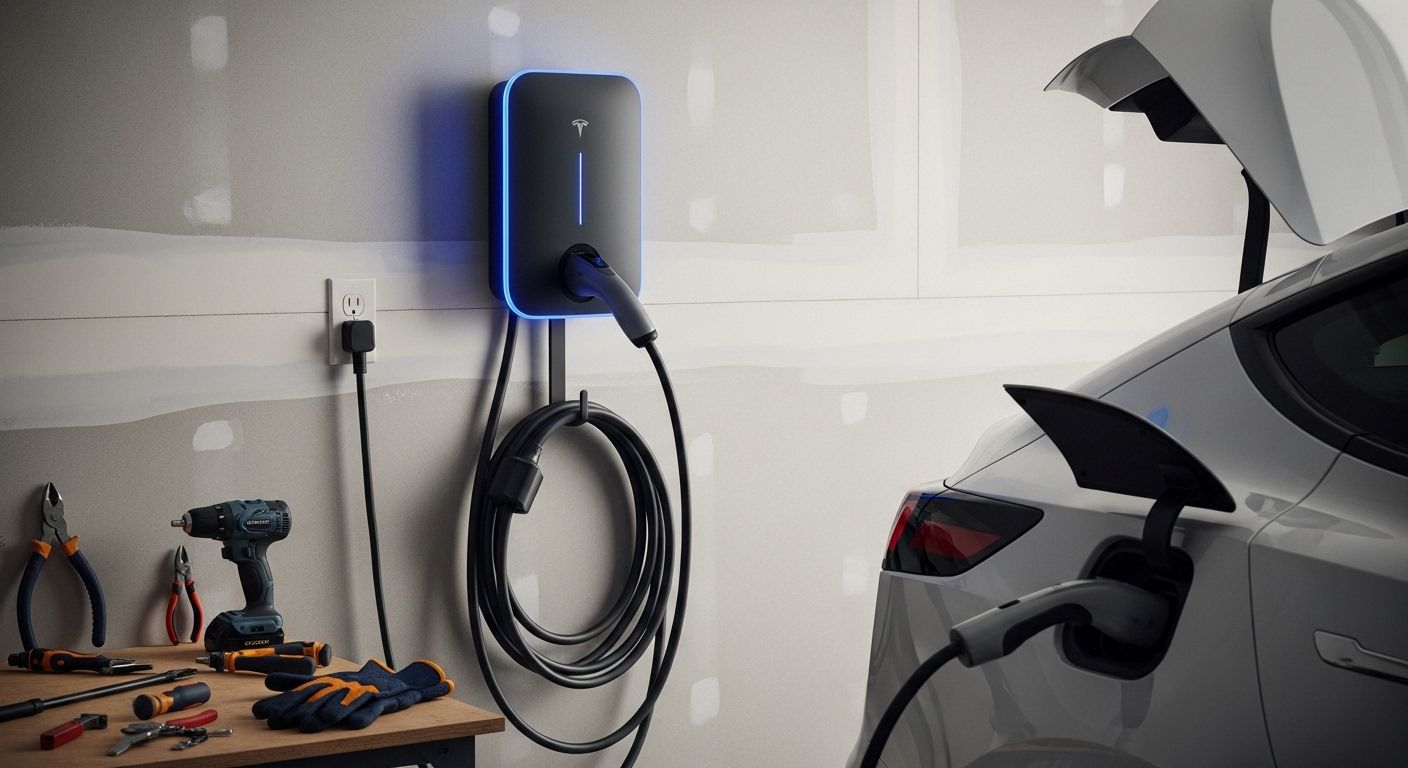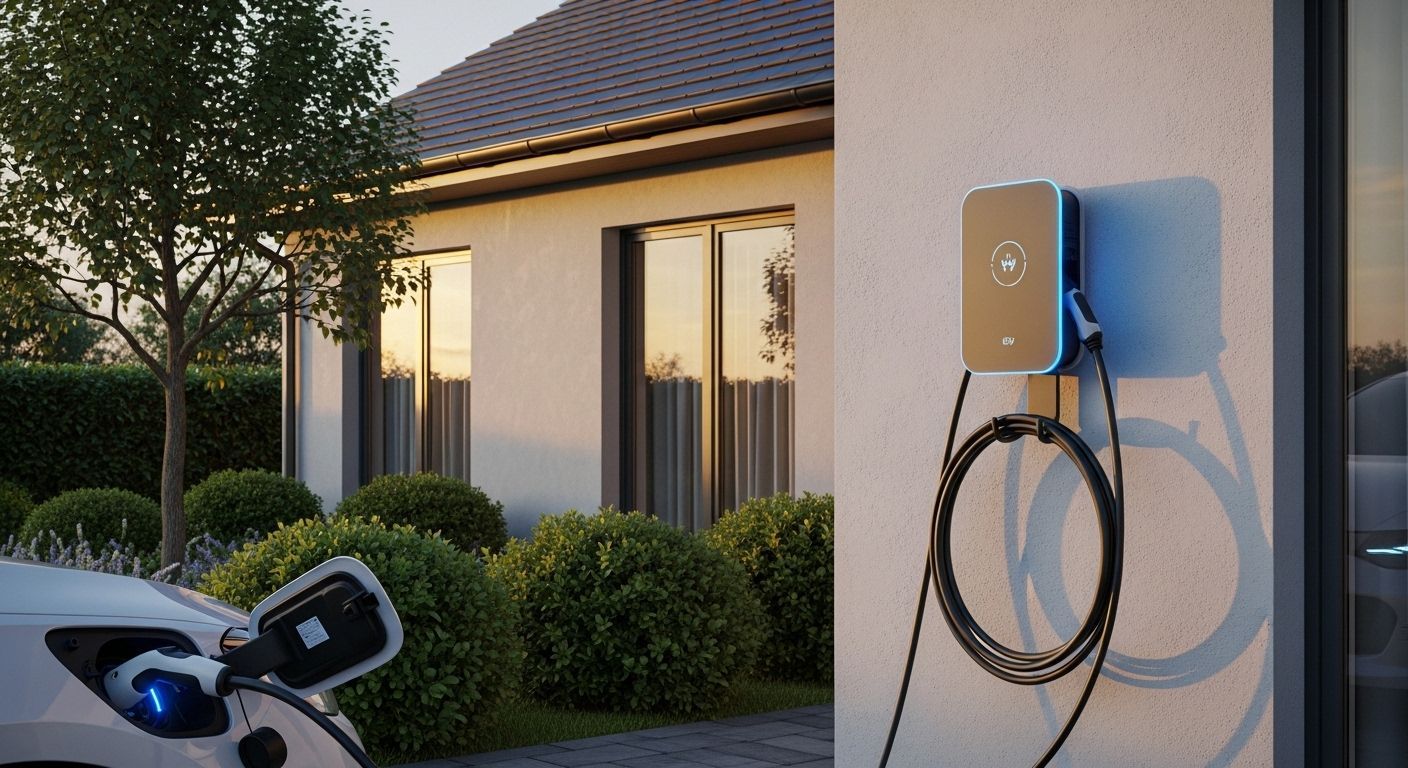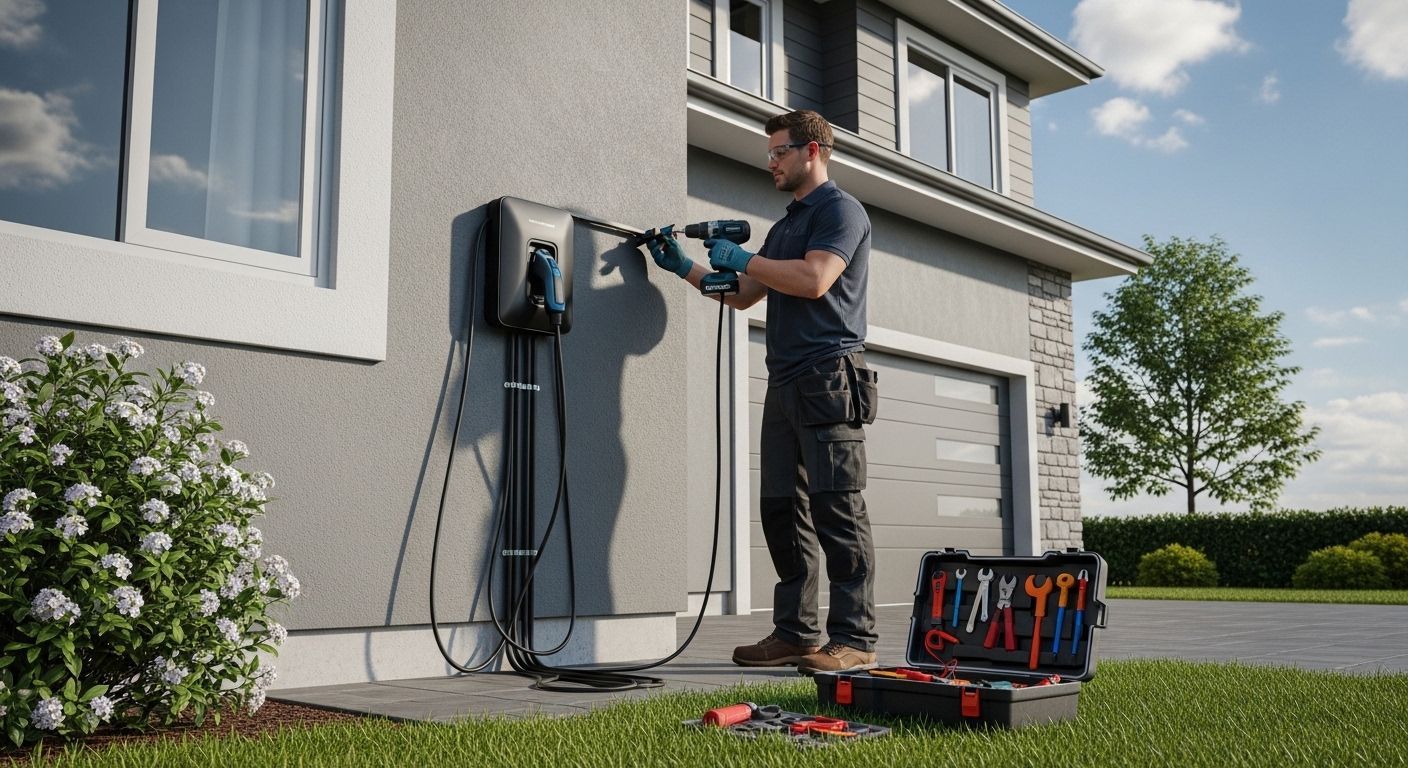
The core issue is capacity. A Level 2 EV charger — the kind that charges most electric vehicles overnight and is what most homeowners are actually after — runs on a dedicated 240-volt circuit and typically draws between 30 and 50 amps depending on the charger. That's a significant continuous load, and your electrical panel has to have enough spare capacity to handle it safely. Most older homes were built with 100-amp service, which was perfectly adequate when the house was designed but gets tight quickly when you factor in modern appliances, air conditioning, electric dryers, and now a vehicle charger drawing 40 amps for several hours every night. If your panel is already running close to its limits, adding that load without upgrading creates a safety issue and will likely trip breakers regularly.
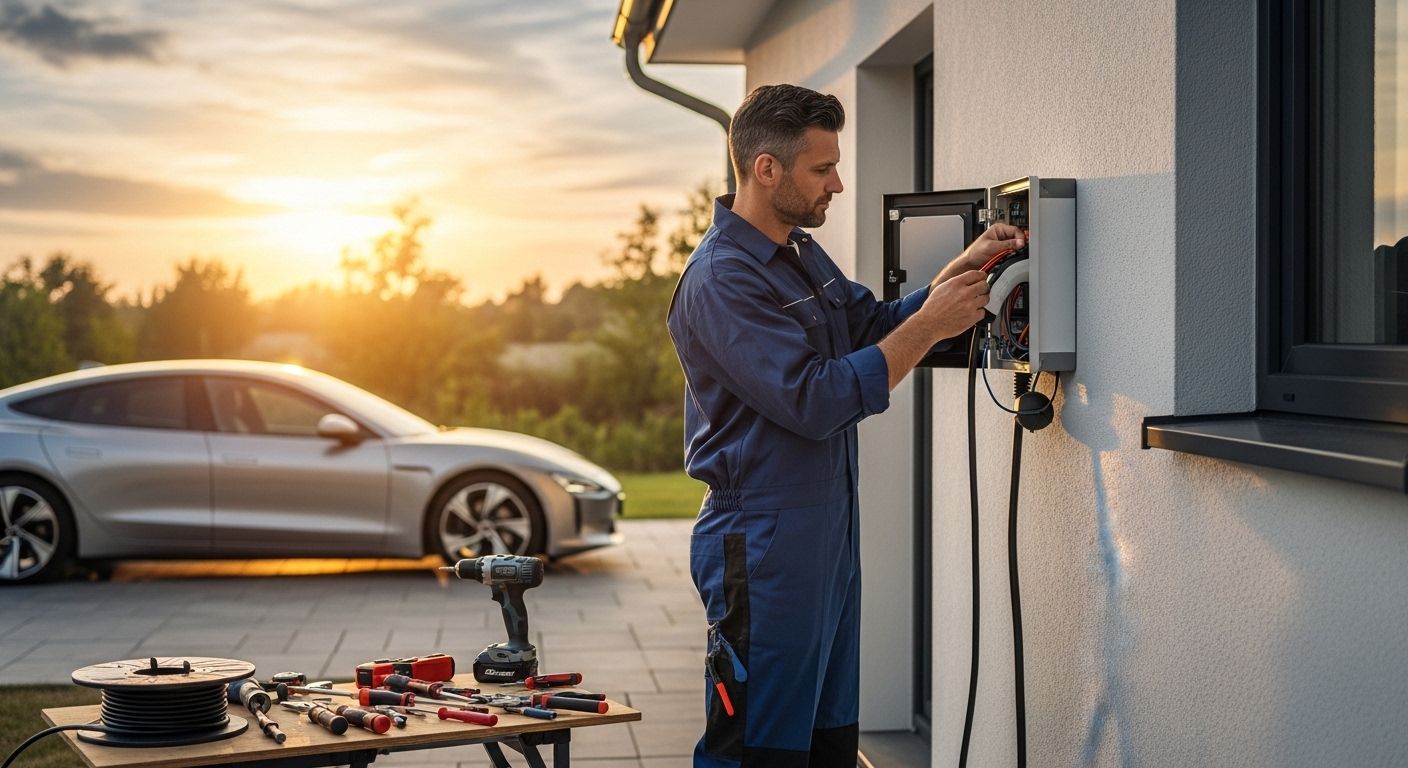
A 200-amp panel is the current standard for new construction, and it's what most electricians will recommend as a target if you're upgrading. Two hundred amps gives you enough headroom for EV charging plus whatever else your household demands, with room to grow. The upgrade itself involves replacing the main panel, upgrading the service entrance wiring from the utility connection to the panel, and coordinating with your utility company to disconnect and reconnect service while the work is done. It's a half-day to full-day job for a qualified electrician, and permits are required in virtually every jurisdiction — something to confirm your contractor is actually pulling, because unpermitted electrical work creates problems at resale and with insurance.