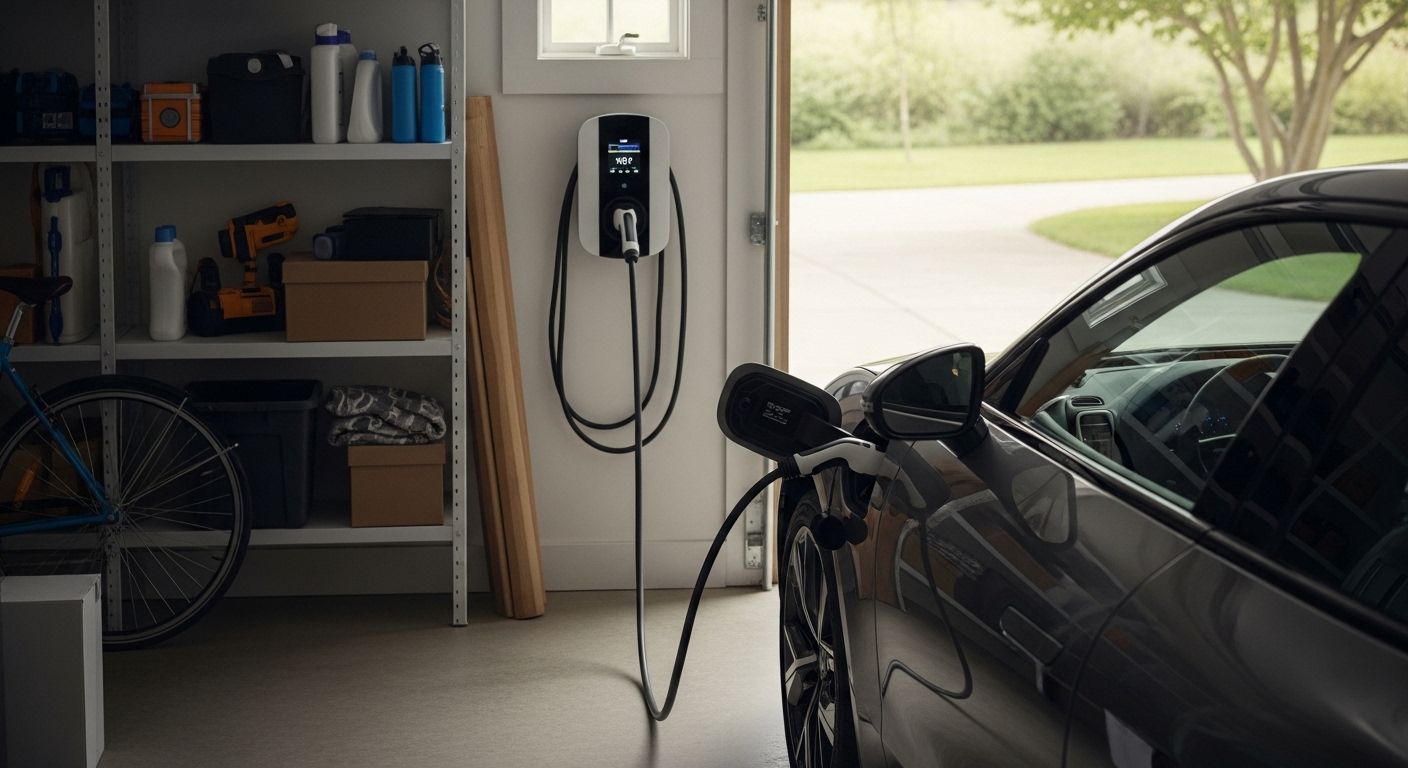
For example, if your car is parked from 10 PM until 7 AM, you have nine full hours to recharge. Most drivers don’t need ultra-fast charging at home because they aren’t draining the battery completely every day. A moderate charging speed usually replaces normal daily driving miles without any issue.
Your electrical panel size matters too. Many older homes were built long before EV charging existed, so they may only have 100-amp service panels. Newer homes often have 200-amp service, which gives much more flexibility for adding large electrical loads like EV chargers.
That doesn’t automatically mean older homes can’t support EV charging. Sometimes it just means being smarter about load management. Electricians can calculate your home’s overall electrical demand and determine how much charging capacity is realistically available.
One thing people often don’t realize is that charging overnight actually helps reduce strain on the electrical grid in many areas. Utilities frequently encourage overnight charging because household electricity demand tends to drop late at night after air conditioners, appliances, and businesses reduce usage.
That’s also why many utility companies offer lower nighttime electricity rates. Charging during off-peak hours can save money while also helping you charge EV overnight without overloading electrical system demand during high-use daytime periods.
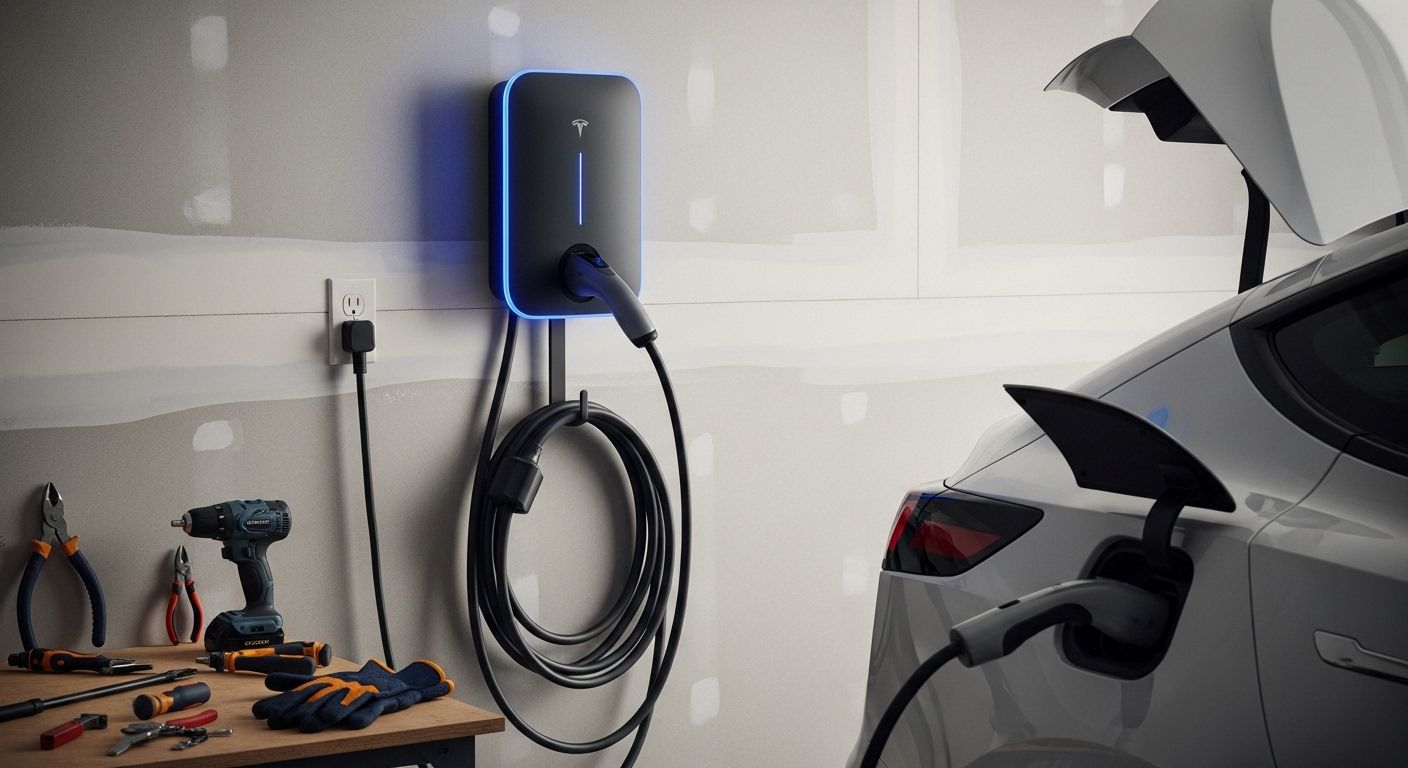
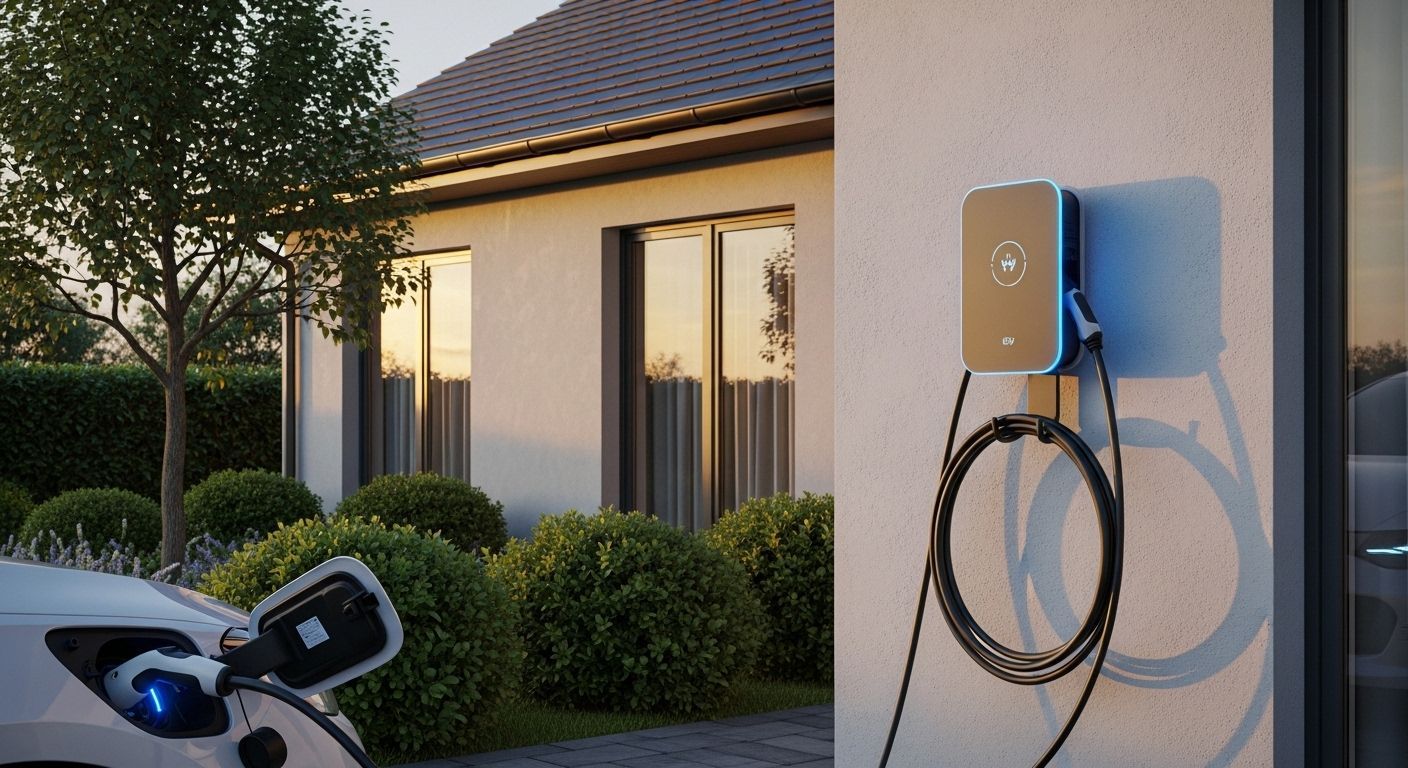
Smart chargers have made this even easier. Many modern EV chargers can monitor energy usage, schedule charging automatically, or communicate with home energy systems. Some can even adjust charging speeds dynamically if the house starts drawing too much power elsewhere.
For example, if your dryer, oven, or air conditioner suddenly kicks on, certain smart systems can temporarily reduce EV charging output to avoid overloading the panel. That kind of load balancing is becoming more common as EV adoption grows.
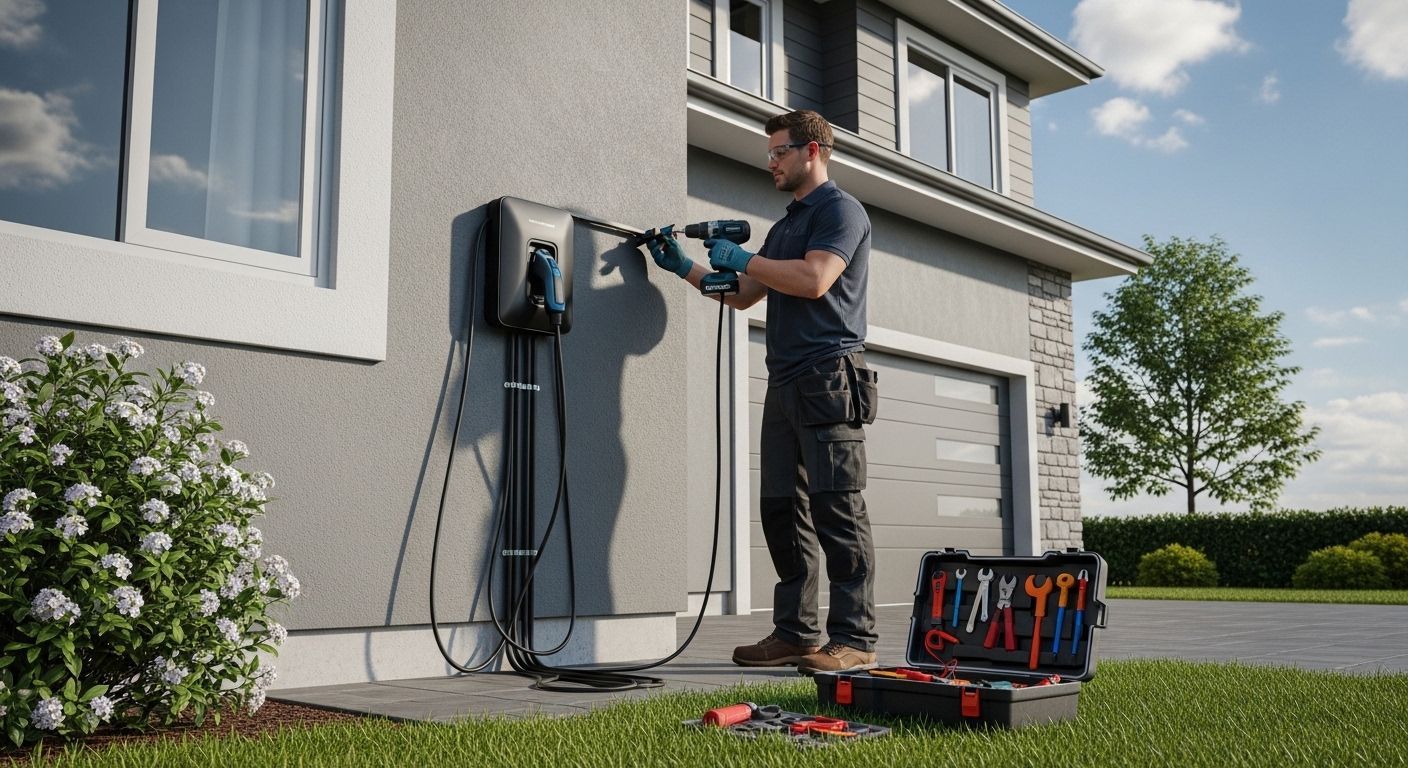
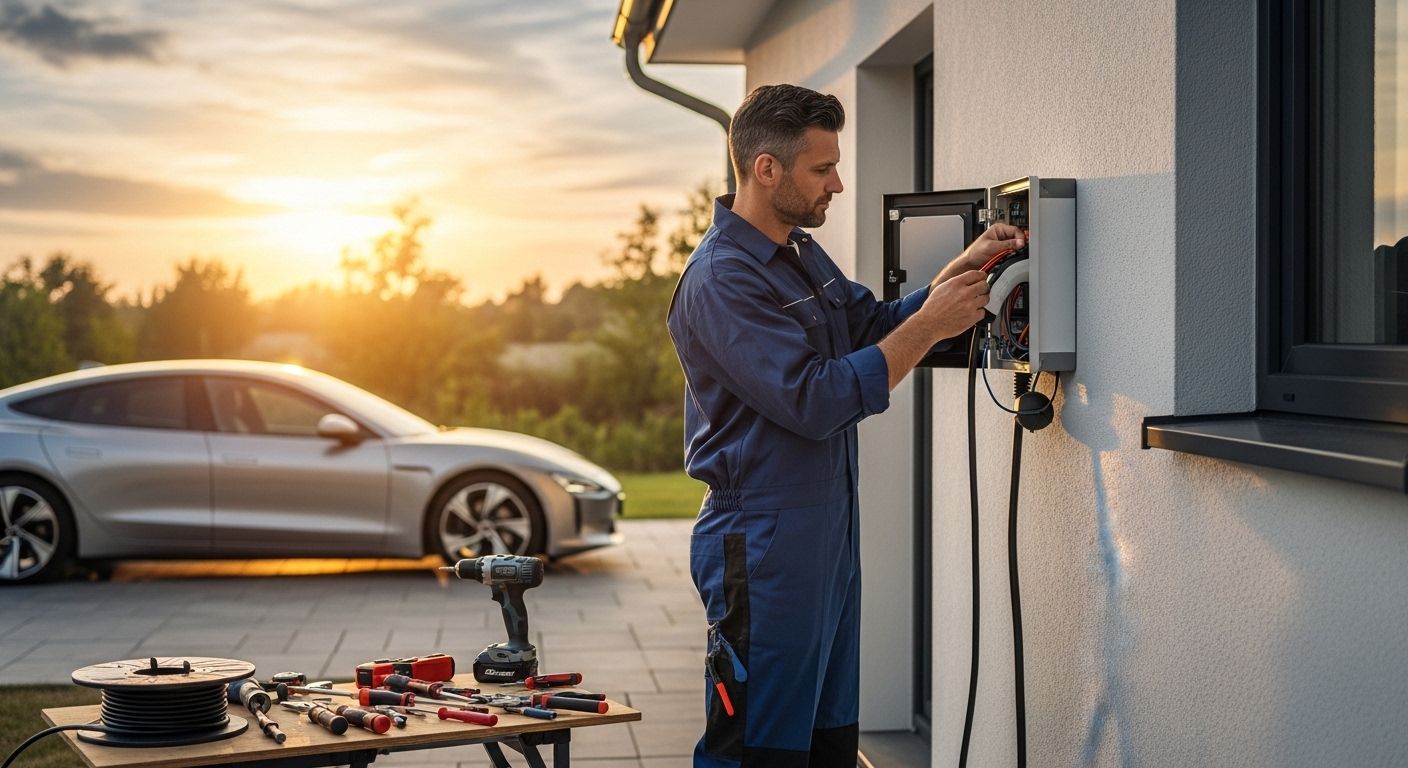
Another important factor is using a dedicated circuit. EV chargers should never share overloaded outlets or extension cords with other major appliances. Proper installation includes correctly sized breakers, wiring, and grounding designed specifically for continuous charging loads.
Heat is often the warning sign of electrical stress. If outlets, breakers, or charging equipment feel unusually warm, something may be undersized or improperly installed. That’s why professional installation matters, especially for higher-powered Level 2 chargers.
Some homeowners also worry about charging while running air conditioning overnight during hot weather. In most cases, a properly sized electrical system can handle both. But if the home already struggles with limited electrical capacity, it may make sense to reduce charger amperage slightly rather than immediately paying for a full panel upgrade.
The good news is that EVs themselves are actually pretty smart about energy management. Modern vehicles and chargers include multiple safety systems designed to prevent overheating, overcurrent situations, and charging faults. The technology has matured a lot over the past several years.
If you’re trying to figure out how to charge EV overnight without overloading electrical system capacity, the smartest approach is usually balancing charging speed with actual daily driving needs. Many homeowners discover they don’t need the fastest charger available. A slightly slower overnight charge is often more than enough and puts less strain on the home’s electrical infrastructure.
At the end of the day, overnight charging is supposed to make life easier, not more stressful. Once the system is installed correctly and matched to your home’s capacity, it becomes surprisingly routine. Plug in at night, unplug in the morning, and the whole process fades into the background — which is exactly how home EV charging is supposed to work.