Grizzl-E is the one to buy if you live somewhere with brutal winters or just want a charger that behaves like an appliance rather than a connected device. It's built heavily, rated for extreme temperatures, and doesn't depend on Wi-Fi or firmware updates to function. No companion app, no scheduling features — just reliable charging every single time you plug in. People in cold climates tend to be devoted to it, and for good reason.
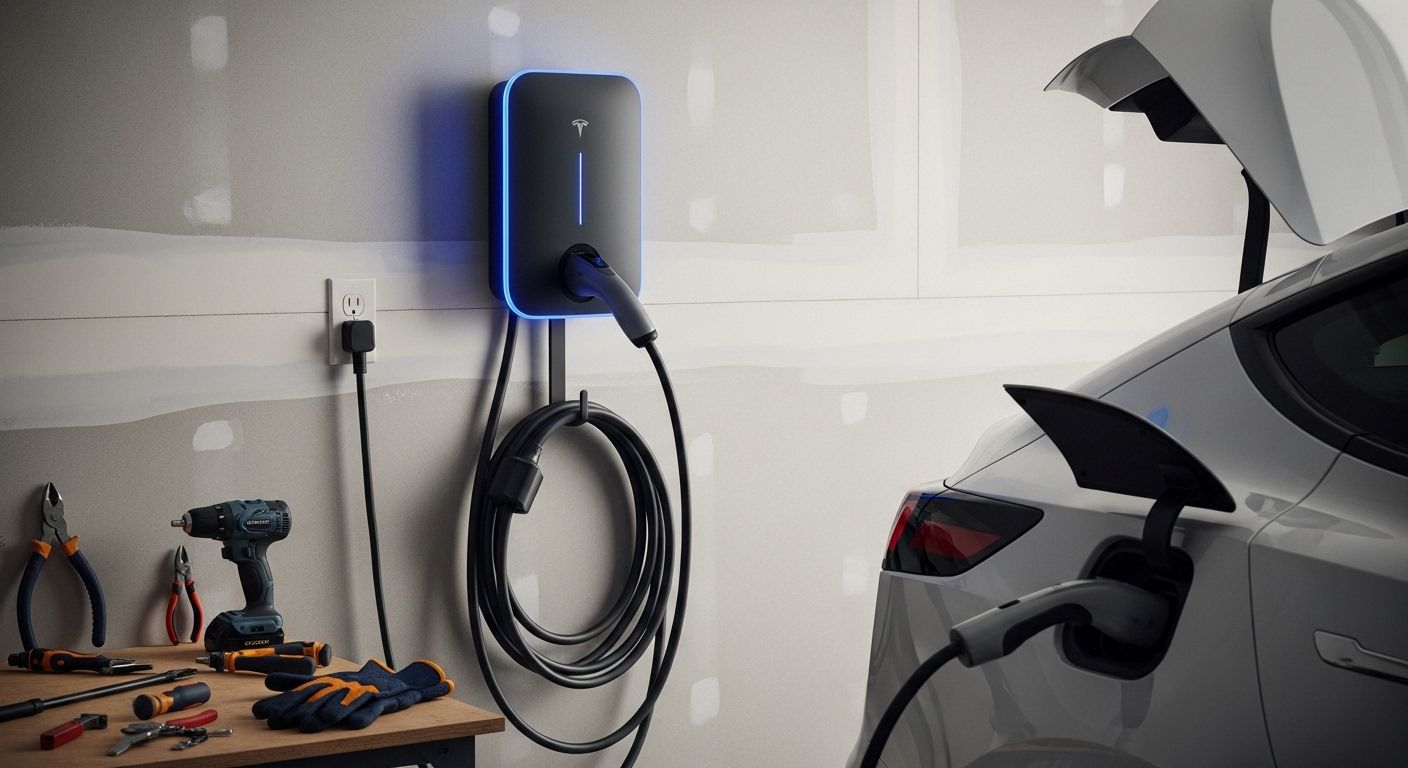
Tesla Universal Wall Connector makes the most sense if you drive a Tesla, though it now works with non-Tesla vehicles through universal compatibility. The integration with the Tesla app is seamless — scheduled charging, power monitoring, access control — and the hardware is genuinely well-designed. The four-year warranty is a year longer than most competitors. If you're not in the Tesla ecosystem, it's still a solid option, just not a particularly differentiated one.
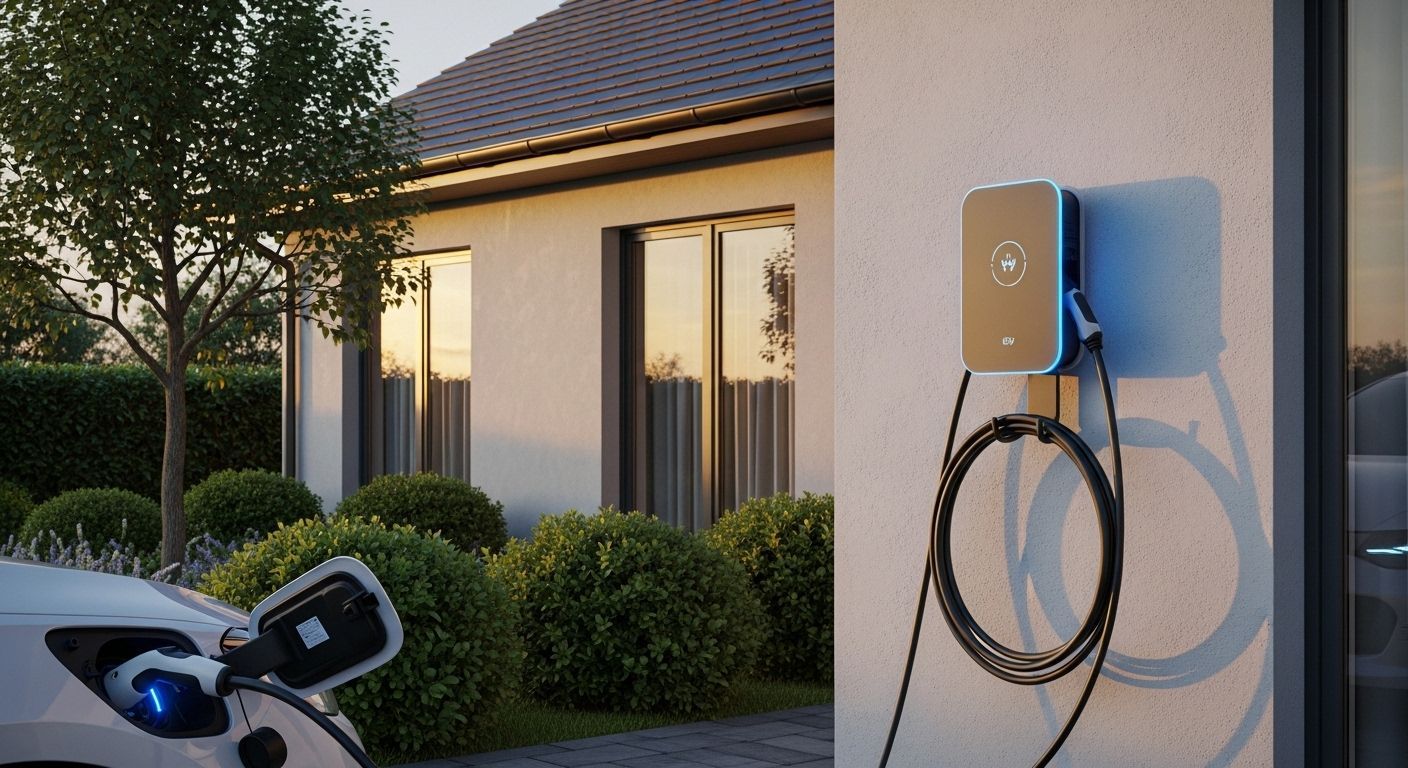
Wallbox Pulsar Plus is the compact pick. It pushes 48 amps out of one of the smallest physical footprints on the market, and the app is among the better ones in the category. If space is tight or aesthetics matter to you, this is the charger that won't look out of place.
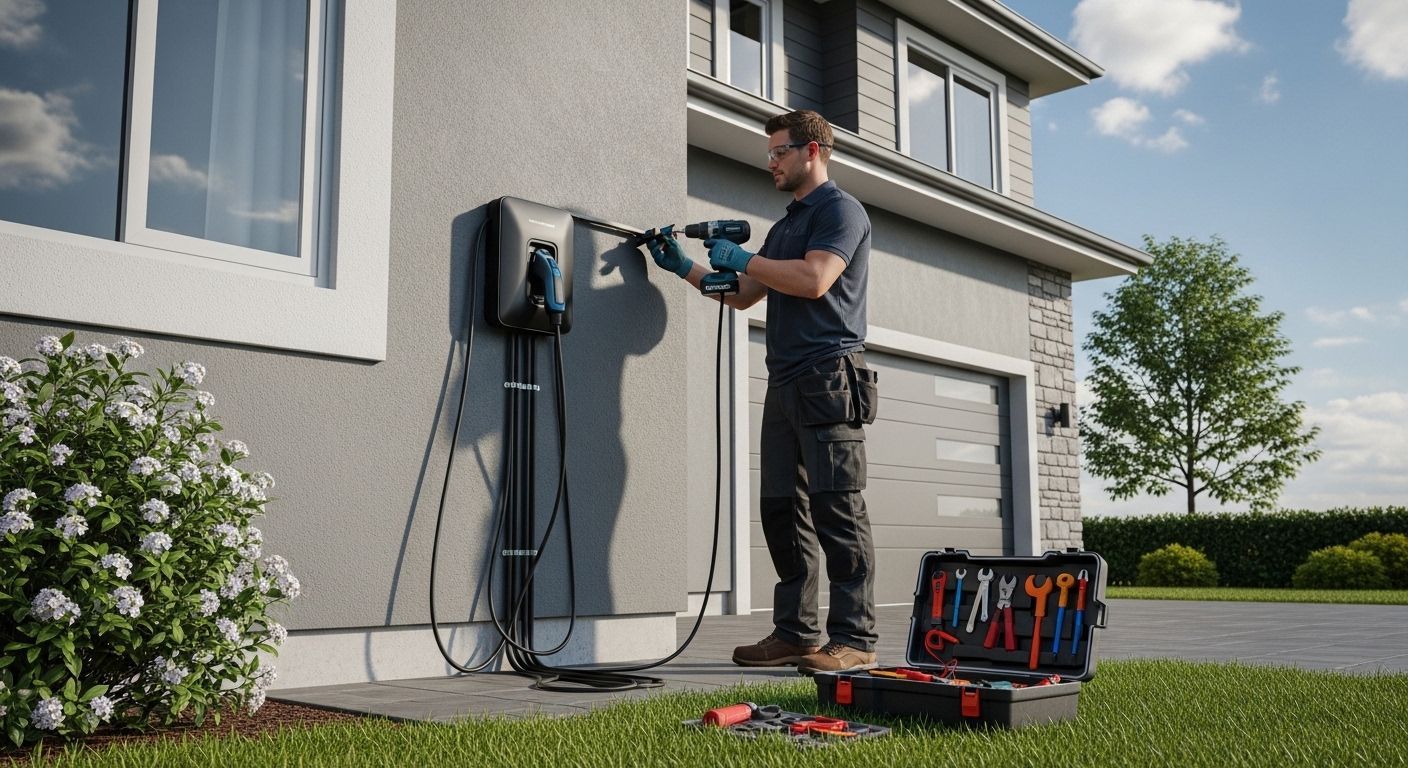
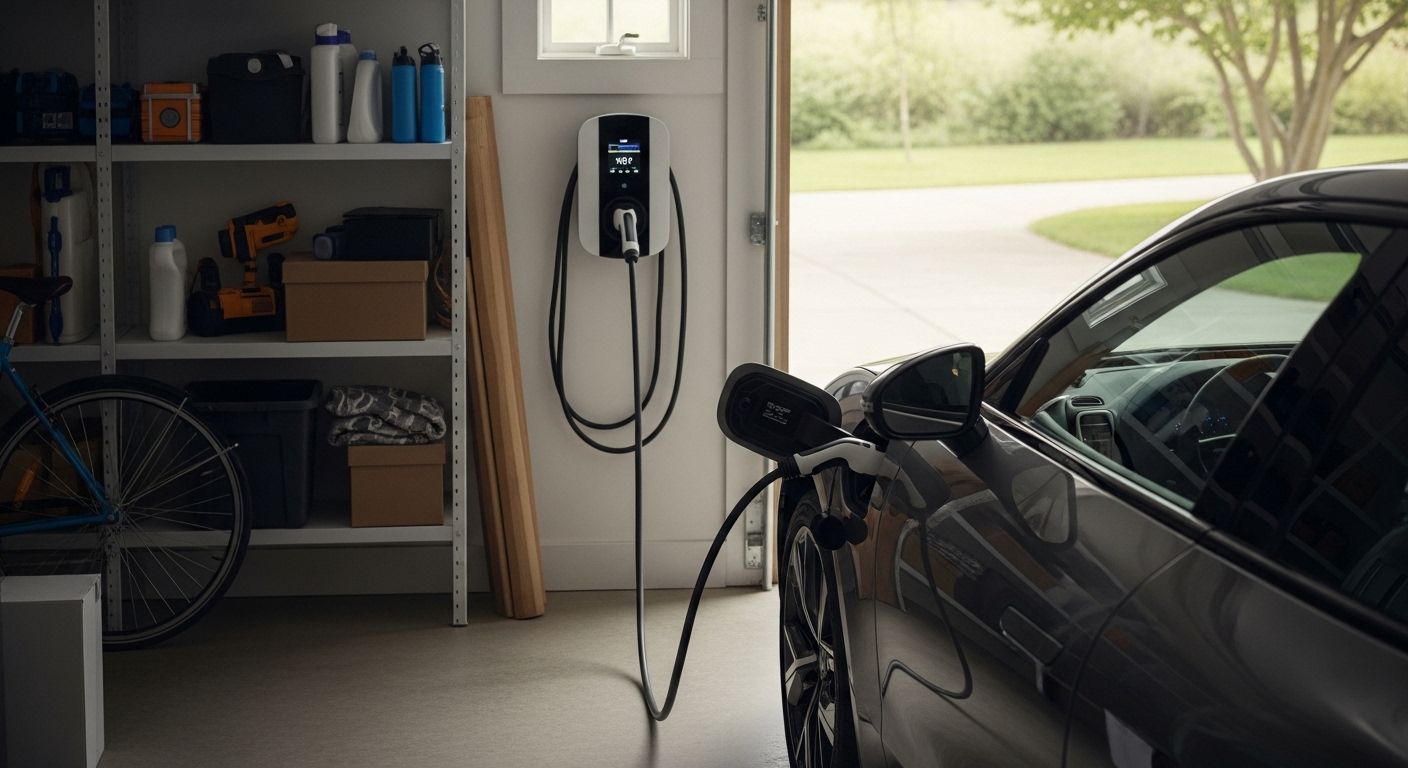
A few things worth knowing before you order anything. Your car sets the ceiling — a charger rated at 48 amps doesn't charge faster than your vehicle's onboard charger can accept, so check your owner's manual before over-speccing. Your panel sets the floor — a 48-amp charger needs a 60-amp dedicated circuit breaker, and older homes with 100-amp service may need an electrician's assessment first. Cable length matters more than people expect; a 23-to-25-foot cable handles most garage configurations, but think about where your car's charge port sits before you buy.
Smart scheduling is also worth using. Most of the best home EV chargers in 2026 let you set charging windows, and if your utility offers time-of-use rates — cheaper power overnight — you can cut your per-mile electricity cost meaningfully just by telling the charger when to run.
Finally, before you install: check your utility's rebate program and confirm whether any state incentives are currently open in your area. The hardware cost is one thing, but a few hours of research upfront can knock a significant chunk off the total. The charger is a long-term piece of infrastructure, and it's worth getting the setup right the first time.