The more useful question is how long the whole process takes from decision to charging — because the physical work is often the shortest part of the timeline.
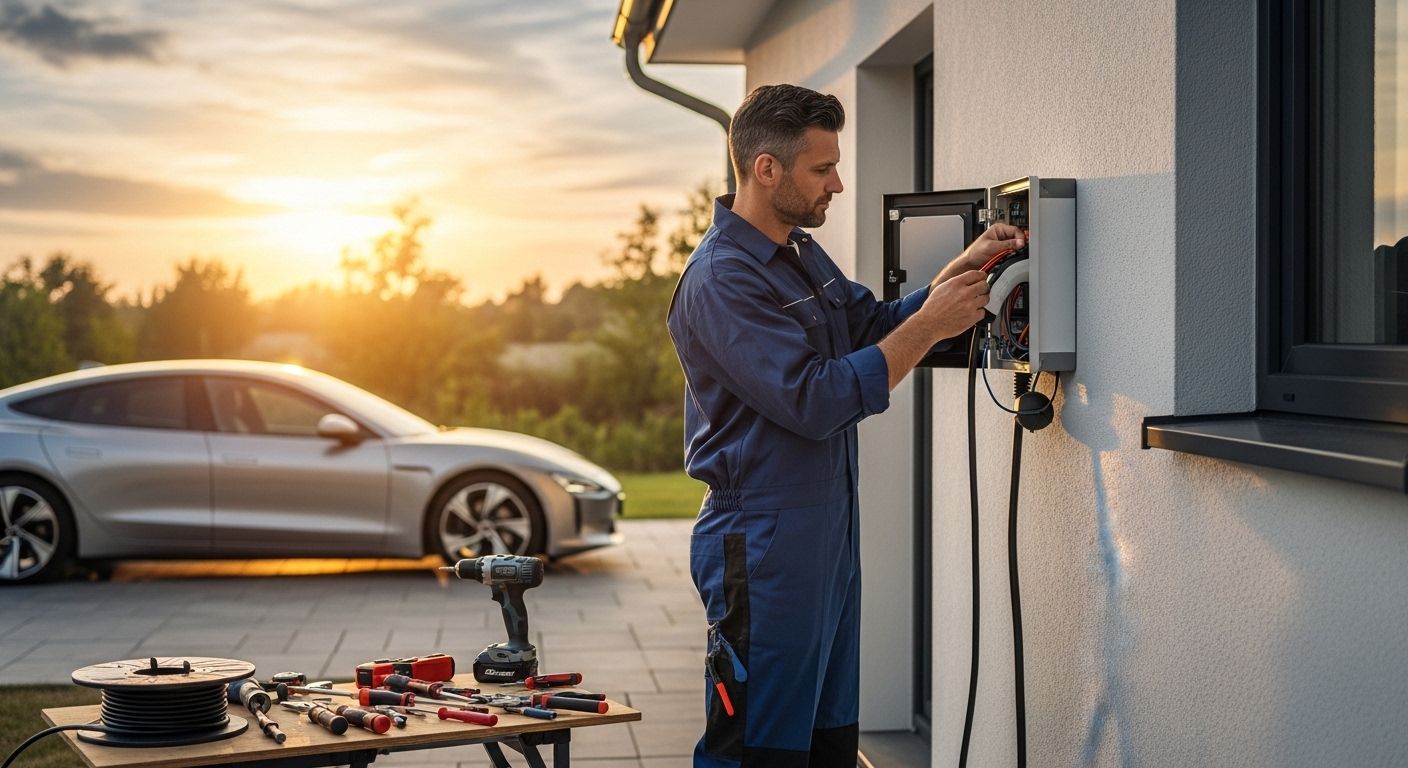
Scheduling an electrician is usually the first bottleneck. Depending on your area and the time of year, lead times for licensed electricians can range from a few days to several weeks. EV charger installations have become common enough that most electrical contractors handle them routinely, which has helped availability in many markets — but busy seasons (spring and summer home improvement surges) can stretch scheduling out. If you're buying an EV and want a charger ready when the car arrives, start the electrician conversation before the car is delivered, not after.
Permits are the variable that surprises people most. Most municipalities require an electrical permit for a Level 2 EV charger installation, and the permit process adds time that has nothing to do with how skilled your electrician is. In some jurisdictions, permits are pulled online and approved same-day or next-day. In others, you're waiting a week or two for the permit to be issued before work can legally begin, and then waiting again for an inspection after the work is done. The inspection itself is typically a quick visit — 15 to 30 minutes — but scheduling it depends on the inspector's availability, which in busy building departments can add another few days to the timeline. A good electrician will handle the permit process for you and give you a realistic expectation of timing in your specific jurisdiction.